About us
AI has changed software development. Our principles haven't.
For more than 30 years, we have seen how software development has evolved. AI-assisted development is making the work faster than ever. But good architecture, testability, maintainability and system-level thinking are still essential.
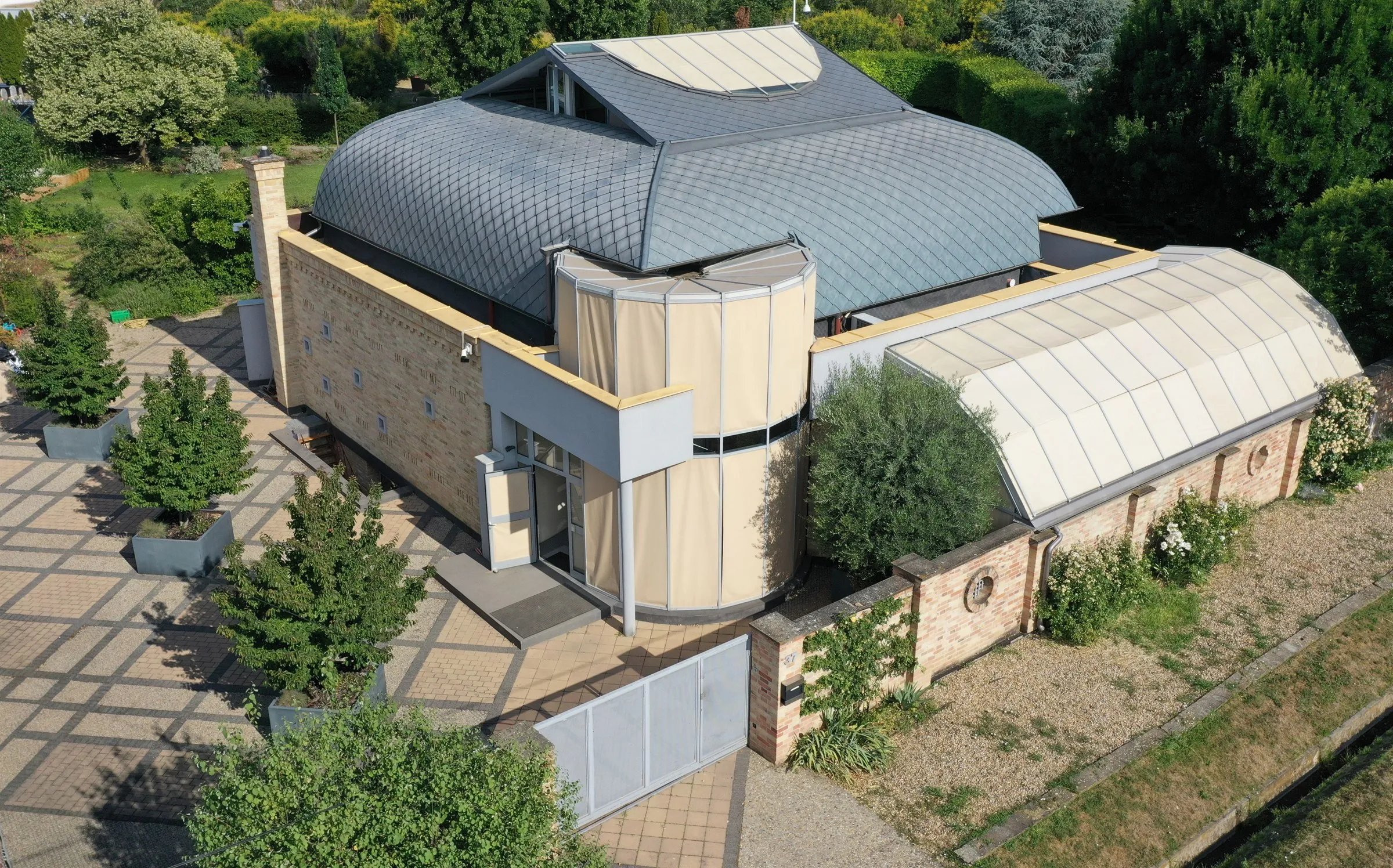
Our company first achieved national recognition for its electronic dictionaries and encyclopedias. We specialize in developing linguistic, semantic, and data quality assurance software, which we successfully implement in the fields of finance, logistics, and telecommunications. We work in our own office building, where we provide all our colleagues with comfortable and personalized workspaces. Our systems are used by a number of large companies, including the OTP Group, Hungarian Postal Service, and Hungarian Telekom Inc.
Our Strengths
Expertise
Our lead developers have 25+ years of experience.Business Analysis
If we do not understand something, we ask – we also perform business analysis tasks to facilitate effective communication between business and IT.Legacy systems
We are up to date, but we are not afraid of legacy systems either, because we adapt well to older environments and solutions.Modern tools
We create stable, well-maintainable systems. We use state-of-the-art technology and tools that are always up to date.Important years in our history
Who we have built for
Meet our clients and projects. Pick an item!
Tap a client to see the project types we delivered for them.
Main applied development toolset – by time period
- –
From the era of dictionaries to the JVM
1990–1997: the era of dictionaries
Microsoft C/C++ (later Visual C++)From 1995 Microsoft SourceSafe code repositoryFrom 1997: we build our software on the JVM (Java Virtual Machine)
Code repository management: Microsoft Visual SourceSafe, then CVS, then SVN (Subversion)Development environment:Microsoft Visual J++, Sun Java 1.02-1.3Tested/used environments: Forte, VisualAge for Java, Visual Cafe, Borland JBuilder, Emacs JDEEUltimately: Eclipse (10+ years), then SpringSource Tool Suite (STS)Task management: Bugzilla, then FogBugz and KilnOther: From 2000 Ant, From 2009 Maven - –
Our infrastructure continues to evolve
Microsoft C/C++ (later Visual C++)Code repository management: Mercurial (hg), From 2020 Git (Gitea)Development environment: From 2015 IntelliJ IDEA UltimateTask management: JetBrains YouTrackOther supporting tools:From 2010: Hudson (later Jenkins) and Sonar (later SonarQube) Gradle based projects (if requested by client, Maven also)From 2020: We started using Git, currently: only Gitea, with locally hosted Git code repositories - –
New languages, AI tools
Getting to know Kotlin through a pilot project (mainly for Android and server development)Exploring and adopting AI tools on our own internal projects (Claude Code, OpenCode)From 2026: we have also started testing increasingly capable open-source models that can run locally
Our most commonly used technologies
Backend
Java SE 11, 17 or 21 versions
(depending on requirement)
Spring Boot
Frontend
We have two main directions for web interfaces
In our legacy systems JSF environment with PrimeFaces toolkit.
In our new projects ReactJS environment with PrimeReact, Formik tools, and GraphQL based communication.
Databases
(EnterpriseDB)
Data communication
REST/SOAP WebService
MQ, (S)FTP